Nov 5, 2026
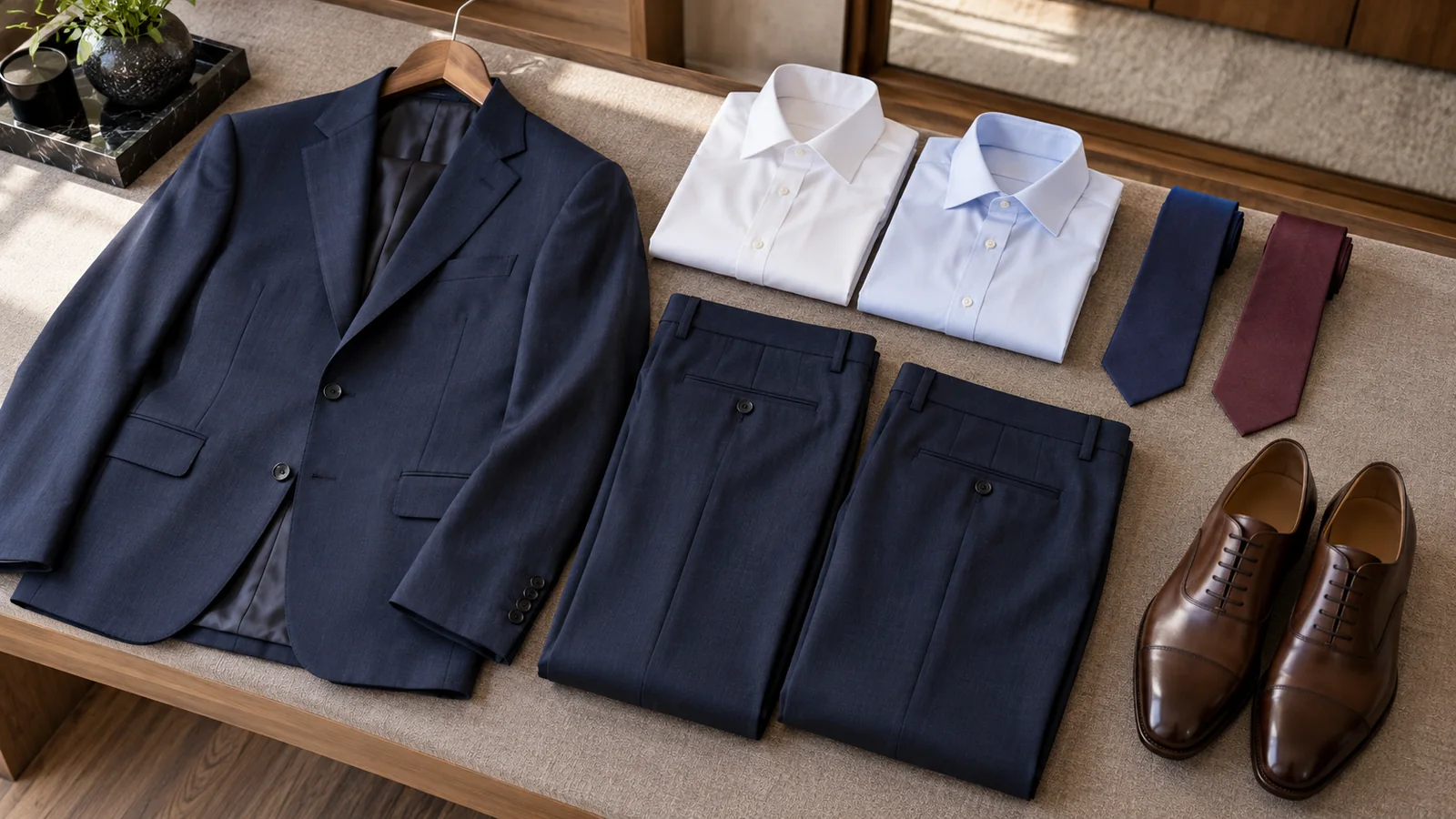
A second pair of matching trousers can be a sensible addition to a frequently worn suit, but it is not an automatic upgrade. Its value depends on how often the suit will be used, whether the cloth can be replaced later and whether another complete suit would add more useful variety.
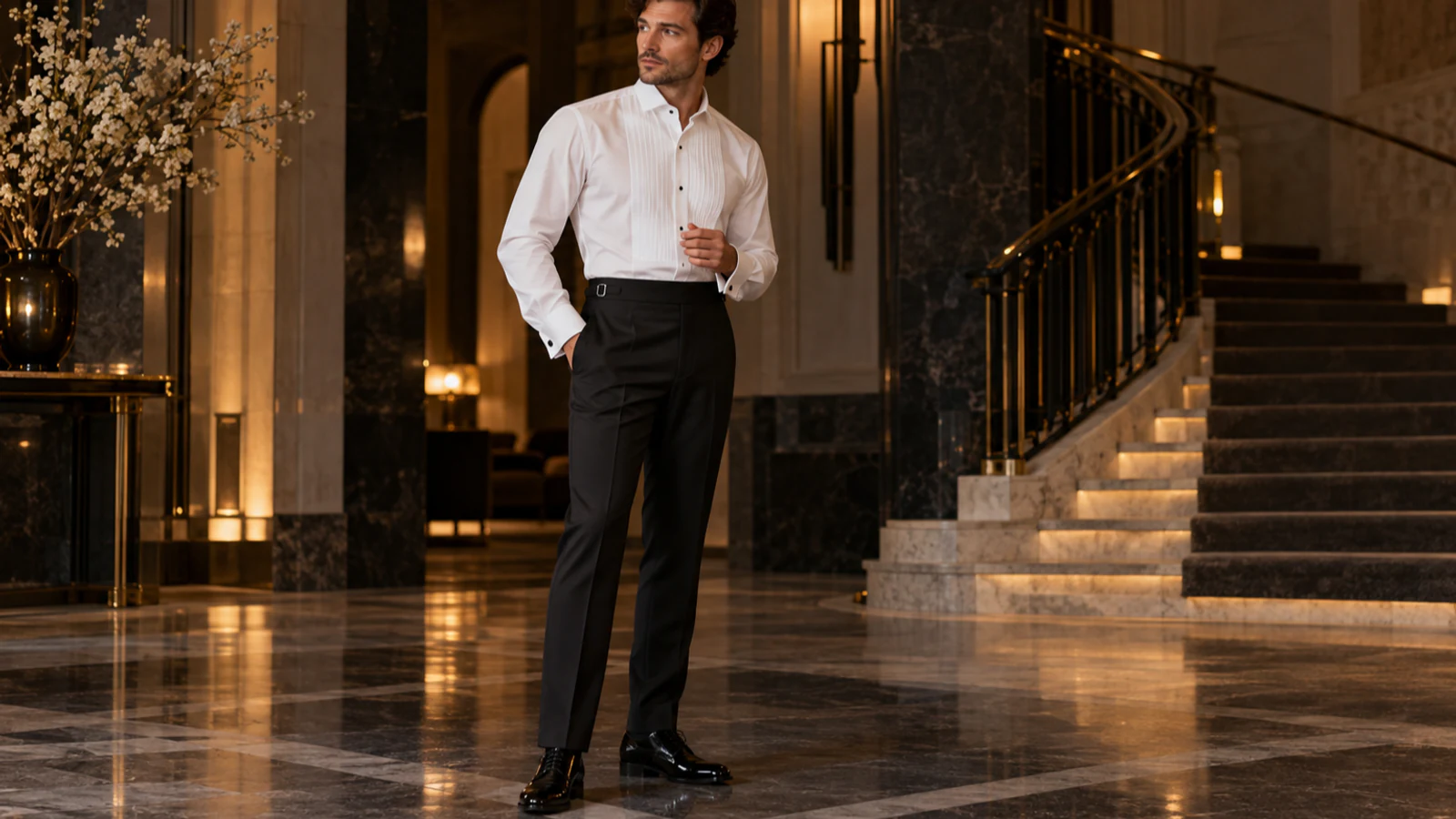
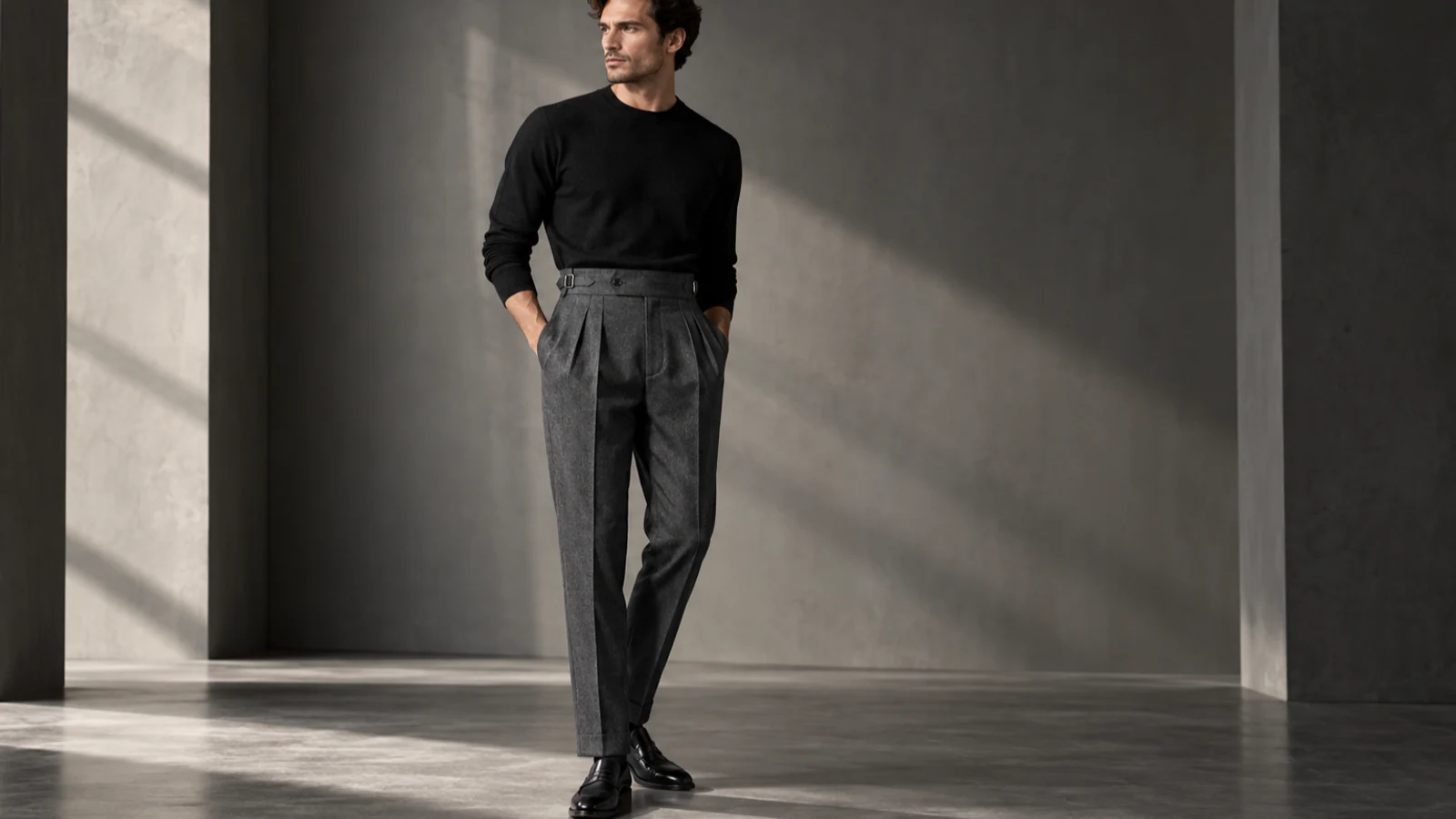
Editorial image note: the visuals in this guide are AI-generated editorial illustrations with fictional garments or settings. They are not customer photographs or evidence of completed Class Bespoke work.
What an extra pair of trousers actually solves
A suit jacket and its trousers do not experience wear in the same way. Trousers remain in contact with chairs, move against the thighs and knees, carry objects in their pockets and bear tension at the waistband and seat. Textile abrasion tests exist precisely because rubbing can progressively wear fabric; however, there is no honest universal rule that suit trousers last a fixed fraction of the life of a jacket. Cloth, fit, activity, care and frequency all change the result.
Two pairs let the wearer distribute those repeated contacts instead of placing every working day on one pair. For wool garments, rest can also be useful: Woolmark advises allowing about 24 hours between wears so wool fibres have time to recover. That supports rotation, but it does not mean a second pair will automatically double the suit’s lifespan. Accidents, moth damage, body changes and jacket wear remain separate variables.
When a second pair is usually worth considering
The suit will be worn every week
The strongest case is a core business suit expected to appear regularly. If the same navy or charcoal suit will be worn several times in a typical month, alternating trousers can reduce the concentration of wear and give one pair time to air and recover. The benefit is much smaller when the suit is reserved for occasional ceremonies or interviews.
The cloth may be difficult to match later
Ordering both pairs with the suit gives the best chance of using the same cloth reference and production lot. A later pair in a nominally identical colour may differ slightly in shade, finish or texture, and the original bunch may no longer be available. Small differences can become visible beside a jacket, particularly in plain dark cloth. Buying “another navy” later is not the same as reproducing a matched suit.
The suit must cover travel or long working days
An extra pair can be practical when one suit has to support a compact travel wardrobe or consecutive work commitments. It provides a clean alternative if one pair is marked or needs attention. That is resilience within a planned wardrobe, not permission to postpone proper cleaning or wear damp trousers again.
When the second pair may add little value
For an occasional wedding suit or dinner suit, two matching pairs may spend most of their life unworn. A second complete suit, an odd trouser or a versatile jacket may create more combinations. Extra trousers are also a weak solution when the first pair is already pulling at the seat, thighs or pockets: duplicating a strained fit simply duplicates the problem.
Consider near-term body changes as well. If waist, seat or posture is likely to change substantially, two pairs made to one moment may need alteration together. Finally, a highly distinctive suit can be limited by jacket use rather than trouser wear. The purchase should follow the actual bottleneck, not a general menswear rule.
Should both pairs be identical?
If either pair must form the same formal suit with the jacket, identical specifications are the safest approach: same cloth, rise, pleat or flat-front treatment, waistband, pocket layout, leg shape and hem. They should present the jacket with one consistent silhouette.
Minor functional variation is possible—a second waistband treatment, for example—but it changes the character of the suit and can affect how a shirt, belt or waistcoat sits. A cuffed pair and plain-hem pair may also hang differently. Those options are better treated as deliberate A-and-B configurations, not assumed to be interchangeable without consequence.
Ask for the pairs to be discreetly identified inside. A small internal A/B mark helps track rotation and ensures that future alterations are recorded against the correct garment without changing the visible exterior.
Why ordering both pairs together matters
Making both pairs at the same time allows the tailor to reserve sufficient cloth and plan pattern placement consistently. It also establishes both pairs against the same jacket, shirt and footwear. If the cloth has a stripe or check, the pattern position should be considered for each pair rather than assuming the second can be cut from whatever remains.
This is also the moment to state whether the objective is strict interchangeability or two related trouser options. The written specification should name the cloth reference and all visible details. “Extra trousers” is not detailed enough if one pair later emerges with a different rise, pocket or hem.
Fit and inspect each pair separately
Shared measurements do not remove the need to assess both finished pairs. Cutting, sewing and pressing can introduce small differences. Try each pair at the intended waist position and review the waistband, rise, seat, thigh, knee, opening and break. Sit, walk and use the pockets. Bring the shoes that will establish the hem.
The trousers should support ordinary movement without relying on an oversized waist or excessive tightness. Persistent pocket flare, horizontal strain or a waistband that slides may point to a fit issue rather than a need for more cloth. Correcting the pattern before completing both pairs is more valuable than owning two copies of the same fault.
Rotate them as a pair, not as a favourite and a spare
If one pair is worn constantly while the other remains untouched, the jacket and two trousers can age at visibly different rates. Alternate them from the beginning and keep a simple mental or internal A/B sequence. Follow the care label for the complete garment and refer to appropriate suit-care guidance; the correct cleaning and pressing method depends on the cloth and construction.
A practical decision test
- Frequency: Will this suit be worn often enough for rotation to matter?
- Replacement risk: Would the exact cloth be difficult to source later?
- Fit: Has the trouser pattern proved comfortable while standing, sitting and walking?
- Consistency: Must both pairs look identical with the jacket?
- Opportunity cost: Would a different garment create a more useful wardrobe?
A second pair is most convincing for a dependable suit with a known, comfortable fit and a high expected wear rate. For an occasional suit or an unsettled first fitting, one well-resolved pair and a broader wardrobe may be the better plan. A written bespoke process should make the matching specification clear before cutting.