Aug 22, 2026
A shirt collar sits close to the face, frames a tie knot and determines how the shirt looks when the top button is open. Choosing one is therefore less about finding a universally “best” shape than deciding how the shirt will be worn: with a suit and tie, open-necked under a jacket, as part of black tie, or on its own in Bangkok’s warm climate.
For a tailored shirt, collar spread, point length, band height, interlining and tie space can be considered together. The aim is a collar that sits cleanly around the neck, remains proportionate to the wearer and works with the intended jacket and occasion.
What changes between collar styles?
The most visible difference is the distance between the collar points. A point collar places the points closer together. A spread collar opens them farther apart, while a cutaway extends the opening more dramatically. A button-down uses small buttons to secure the points to the shirt front.
That geometry affects more than appearance. It changes the amount of space around a tie knot, how much of the tie is visible, how the collar sits under jacket lapels and how it behaves when worn without a tie. Point length and collar-band height also matter: shortening every dimension can make a collar look insubstantial, while an oversized collar can dominate the shirt and face.
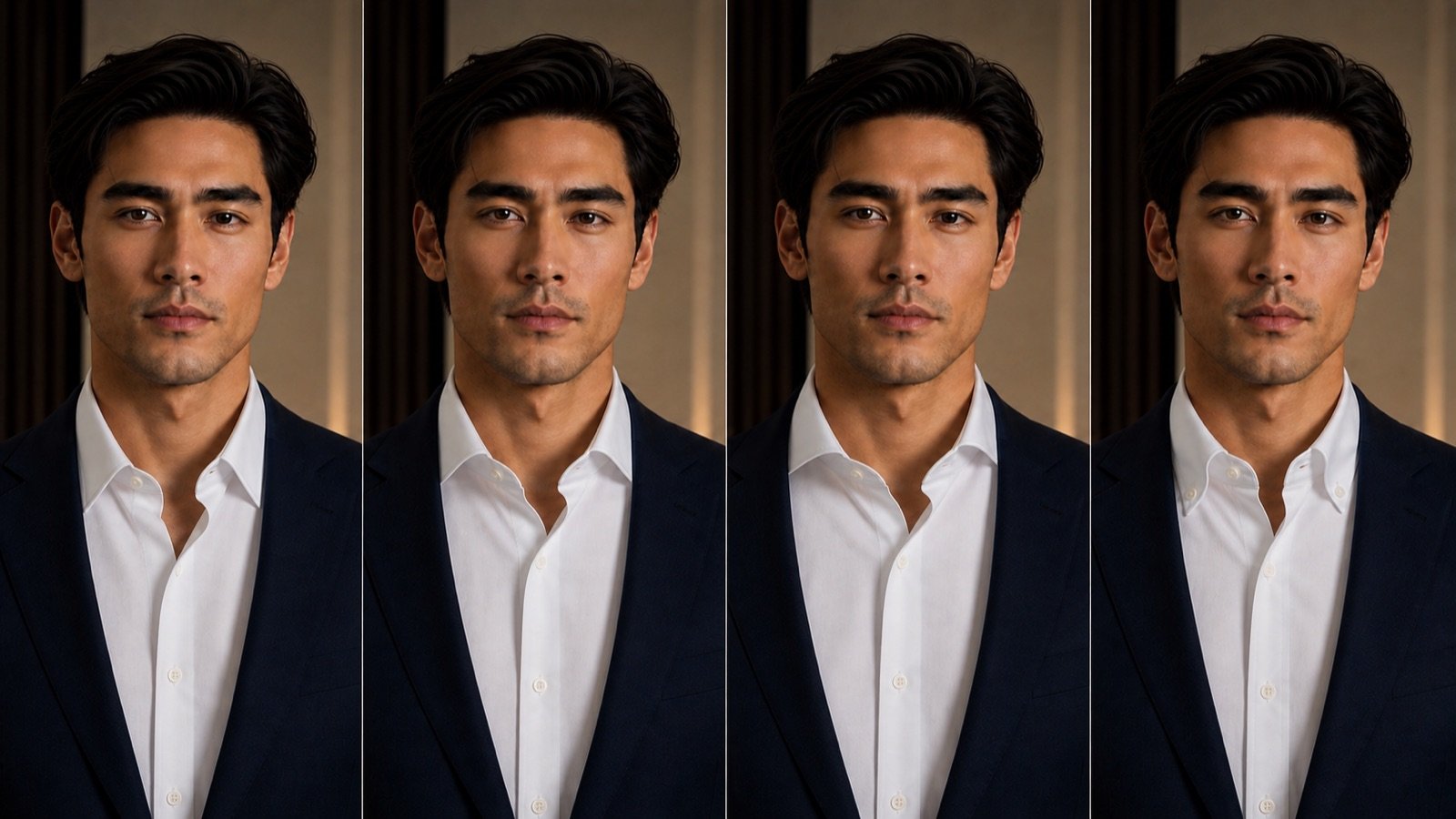
Spread collars: versatile with a jacket or tie
A moderate spread collar is a flexible choice for business shirts because it leaves useful space around a tie knot without becoming theatrical. It can also hold its shape when the shirt is worn open under a jacket, provided the band, interlining and front construction support it appropriately.
The wider opening exposes more of the tie than a point collar. This can suit medium or fuller knots, but the relationship should remain balanced: an extremely wide knot is not automatically more formal, and a dramatic cutaway may feel out of place in a conservative office. A moderate spread usually provides the broadest range of use.
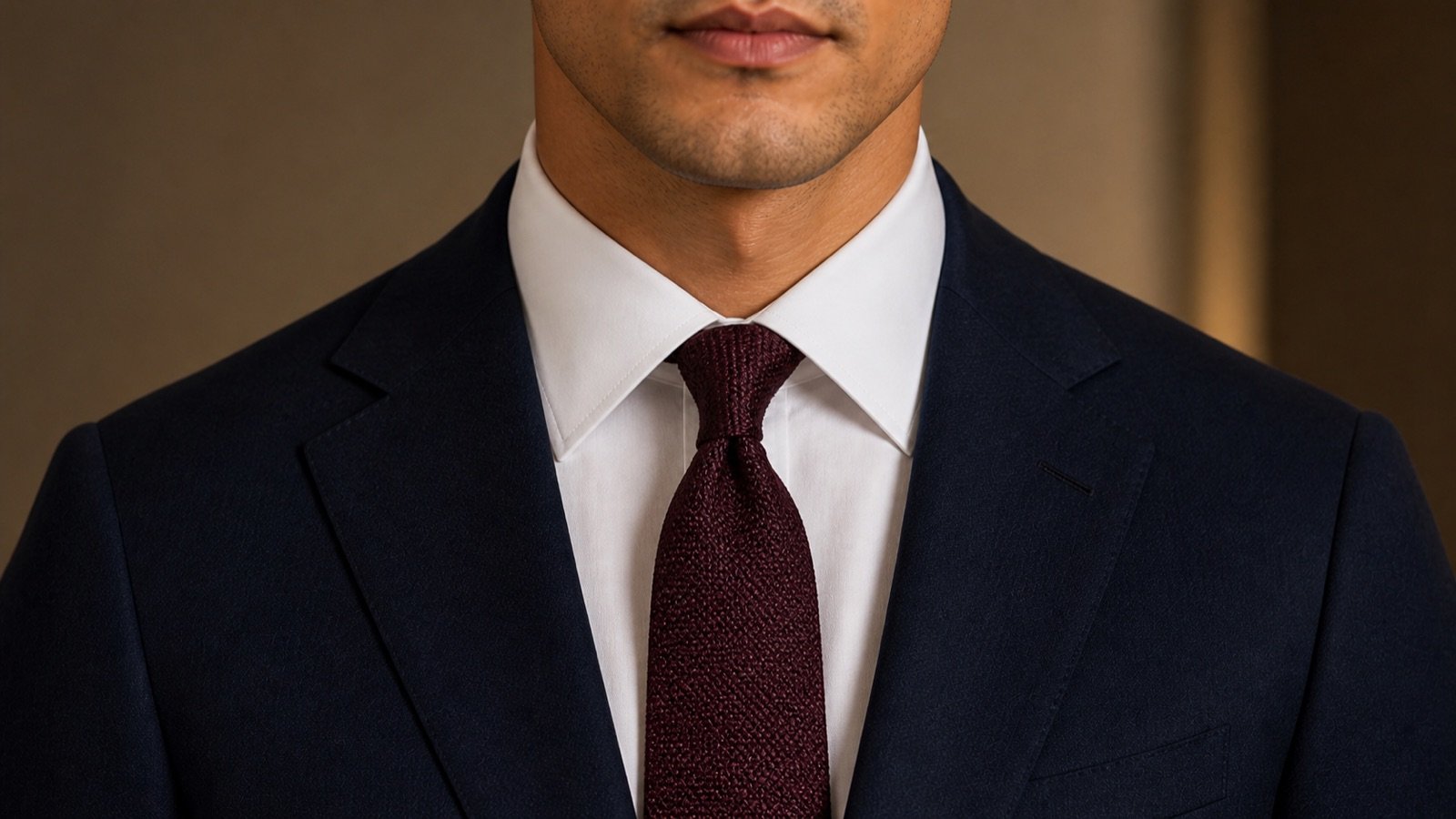
Point collars: a classic, narrower frame
A classic point collar brings the collar tips closer together and generally gives a narrower frame around the tie. It works naturally with a slimmer knot and can be useful when a restrained, traditional business appearance is preferred.
Because the points extend more vertically, their length should be judged against the wearer and the jacket rather than selected in isolation. Points that are too short can lift away from a jacket; well-proportioned points should sit neatly beneath it. When commissioning a bespoke suit and shirts together, the shirt collar and jacket lapels can be assessed as one composition.
Button-down collars: softer and more casual
The button-down collar was developed from sporting dress and remains more relaxed than a conventional spread or point collar. The buttons keep the points in place, while a softer construction can create a gentle collar roll. Oxford cloth is a familiar partner, although other casual cottons can also work.
Button-down shirts are useful for smart-casual wardrobes, travel and open-necked wear. They can sit under an unstructured blazer, but they are not the default choice for the most formal business settings or black tie. The buttons should look intentional and the points should roll cleanly rather than appearing pinned flat.
Cutaway collars: a stronger visual statement
A cutaway collar pushes the points farther apart than a regular spread. It can work with a tie and tailored jacket, but its broad horizontal line is more noticeable. That makes proportion particularly important: spread, point length, band height and knot size need to be considered together.
For someone building a first business-shirt rotation, a moderate spread or classic point is usually easier to use across different meetings and jackets. A cutaway becomes more useful when the wearer already knows that the stronger shape suits their wardrobe and preferences.
Wing collars and black tie
A wing collar is a specialist formal option designed around a bow tie and evening dress. It should not be treated as a substitute for an everyday spread or point collar. Many contemporary black-tie outfits also use a formal turn-down collar, selected to sit correctly with the bow tie, shirt front and jacket.
The collar decision should therefore be made with the whole outfit in view. Clients commissioning a tuxedo in Bangkok can coordinate the shirt collar, bow tie, lapels, shirt front and cuffs rather than choosing each element independently.
Open-collar wear in Bangkok
Bangkok’s climate means many shirts are worn without a tie. In that setting, a collar must remain composed when the top button is open. Collar-band shape, interlining, point length and the shirt’s front construction all influence whether the collar stands cleanly or collapses under a jacket.
A moderate spread can work well because it transitions between tied and open-necked wear. A soft button-down is a useful casual alternative. Cloth choice matters too: lightweight cotton can improve comfort, but the collar still needs enough structure for its intended use. “Lighter” should not automatically mean “flimsy.”

Should face shape decide the collar?
Collar guides often suggest that narrower points visually lengthen a rounder face while wider spreads balance a longer face. That can be a useful starting observation, but it should not override the rest of the garment. Neck length, shoulder width, jacket lapels, tie choice, hairstyle and personal preference all affect the final result.
A consultation is more reliable than selecting from a face-shape chart alone. The collar can be viewed at actual scale, with the intended jacket or occasion in mind, and adjusted so it belongs to the wearer rather than following a generic formula.
Collar construction and interlining
Two collars with the same outline can behave differently because of their internal construction. A firmer interlining produces a crisper collar, while a softer construction allows more roll and movement. Neither is inherently superior; the choice depends on whether the shirt is meant for formal business, relaxed tailoring, travel or casual wear.
Stitching, seam control and the way the collar joins the band also affect how it sits around the neck. The finished collar should close comfortably, remain smooth and avoid pulling against the front of the shirt. If a tie will be worn, it should be tested with the collar fastened rather than judged only while open.
A practical collar-selection checklist
- Start with use: business with a tie, open-necked tailoring, casual wear, wedding attire or black tie.
- Bring the jacket: lapel width and collar point length should look related.
- Choose tie space deliberately: match the opening to the knot rather than forcing an oversized knot into a narrow collar.
- Consider climate and care: lighter cloth may improve comfort, while collar structure still needs to support the intended look.
- Keep proportion personal: band height, spread and point length should be judged on the wearer.
- Test tied and open: a versatile business shirt should remain composed in both states if both are part of its intended use.
Choosing a collar during a Class Bespoke consultation
Class Bespoke offers tailored shirts as part of its current garment range. Collar choice can be discussed alongside cloth, cuffs, fit and the jackets or occasions the shirt needs to support. For wedding parties, these details can also be coordinated across several wearers while retaining individual measurements; see the wedding tailoring service for that wider planning context.
To compare collar shapes for your wardrobe, bring a jacket and any tie or bow tie you intend to wear. You can arrange a consultation and assess the complete combination rather than choosing a collar from its name alone.