Aug 14, 2026
Bangkok asks more of a suit than a temperate city does. Heat, humidity, air-conditioned interiors and frequent travel can all affect how comfortable a tailored garment feels—and how well it keeps its shape through the day. The useful question is not simply whether a cloth is “lightweight.” It is whether its fibre, yarn, weave, weight and construction work together for the way you will actually wear the suit.
What is tropical wool?
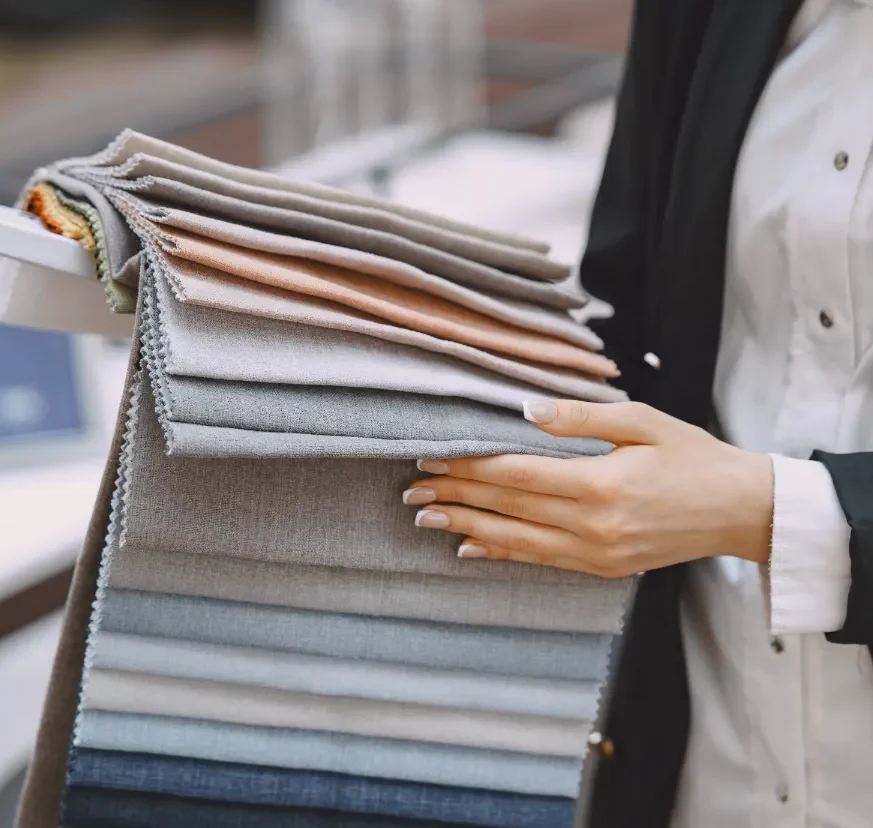
Tropical wool is a category of lightweight worsted suiting designed for warmer conditions. “Worsted” describes wool fibres that have been combed so they lie relatively parallel before spinning, producing a smoother, cleaner cloth than woollen-spun fabrics. Tropical versions are commonly woven with relatively open structures that allow air to move more freely.
The term does not identify one universal specification. Two bunches labelled tropical wool may differ in weight, yarn twist, openness, finish and durability. Treat the label as a starting point, then assess the cloth itself.
Why wool can work in hot weather
Wool is often associated with winter, but fibre alone does not determine warmth. The Woolmark Company notes that Merino wool can absorb and release moisture vapour and help regulate the microclimate next to the body. Its Cool Wool specification, for example, covers lightweight Merino fabrics up to 190 g/m² and highlights their use in warmer climates and travel.
For tailoring, wool also offers advantages that linen and many cottons do not match in the same way: natural elasticity, recovery and resistance to persistent wrinkling. A well-chosen tropical worsted can therefore look formal while remaining practical for a humid commute, meetings and evening events.
The five details that matter most
1. Weave openness
Hold a swatch toward the light. A little visible space between the yarns often indicates that air can pass through the cloth. This simple test can be more informative than choosing solely by fibre content or a marketing name. Open-weave cloths may feel slightly drier and more textured than very smooth, densely woven worsteds.
2. Fabric weight
Weight is normally shown in grams per square metre (g/m² or gsm) or ounces. Lighter is not automatically better. An extremely light cloth may feel cool but can crease, cling or lose its line more easily. A slightly more substantial open-weave cloth can sometimes feel more comfortable because it hangs away from the body and permits airflow.
Ask to compare neighbouring weights rather than treating one number as a rule. Your build, the garment design, the amount of walking you do and whether you spend most of the day in air conditioning all change the answer.
3. Yarn twist
Higher-twist yarns tend to create a crisp, springy cloth with good recovery. This can be helpful for travel and long workdays because the fabric is less inclined to hold every crease. High-twist cloth may feel firmer or grainier than a soft, fine worsted; that tactile dryness is often part of its warm-weather performance.
4. Colour
Mid-grey, charcoal and navy remain versatile, but colour also changes how a suit behaves in strong sunlight and how easily it shows moisture or dust. Mid-tones and subtle textures are often forgiving for daily wear. Very dark cloth can look formal but may absorb more solar heat outdoors.
5. The complete garment
A breathable face cloth cannot compensate for every other choice. Lining coverage, canvas, shoulder padding, sleeve-head structure and overall fit influence comfort. A jacket that is too tight across the back or armholes restricts movement and traps heat, whatever the cloth label says. Discuss the whole specification with the tailor rather than selecting fabric in isolation.
Tropical wool compared with linen and blends
| Cloth | Typical strengths | Considerations |
|---|---|---|
| Tropical wool | Formal appearance, drape, recovery, broad business use | Performance varies greatly by weave and weight |
| Linen | Airy handle, distinctive texture, relaxed elegance | Creasing is part of its character |
| Wool–silk–linen | Texture, depth of colour, useful balance of fibres | Often better suited to jackets than hard-wearing daily trousers |
| Cotton | Casual character, familiar feel, good for separates | Can crease and may feel less fluid than worsted wool |
None is universally best. Tropical wool is usually the safest starting point for a business suit or a first Bangkok suit because it combines polish with recovery. Linen and textured blends are excellent when a more relaxed expression is appropriate.
How to evaluate a swatch in the showroom
- Lift it toward a light source. Look for openness without an unstable or gauzy appearance.
- Scrunch it gently in your hand. Release it and observe how quickly the surface recovers.
- Drape it over your forearm. Notice whether it hangs cleanly or collapses.
- Feel the surface. A crisp, dry hand may perform better than an exceptionally soft finish in humidity.
- Ask where and how often you will wear it. Daily work, weddings, travel and evening events place different demands on cloth.
Common buying mistakes
Choosing by Super number alone. A higher Super number concerns fibre fineness; it does not by itself guarantee coolness, durability or suitability for Bangkok.
Assuming the lightest swatch is the coolest. Air permeability, drape and garment construction matter alongside weight.
Ignoring trousers. Trousers receive more friction and may benefit from a cloth with enough body and recovery for repeated wear.
Buying for the showroom rather than real life. Consider walking, transport, luggage, indoor cooling and how many hours the suit must remain presentable.
A practical brief for a Bangkok suit
Tell your tailor the setting, frequency and formality of use; whether you run warm; how much time you spend outdoors; and whether the garment must travel. Ask to compare tropical worsteds across several weights and textures. For a versatile business suit, prioritise an open weave, clean drape, dependable recovery and a colour that coordinates with your existing shirts and shoes.
The best warm-weather suit is not the one with the most impressive label. It is the one whose cloth and construction suit your routine. Explore the Class Bespoke fabric selection, review the suit options, or arrange an appointment to compare swatches in person.
Editorial note: Wool performance information was checked against The Woolmark Company’s fibre guidance and Cool Wool specification. Individual cloth performance depends on its complete construction and finish.