Jul 18, 2024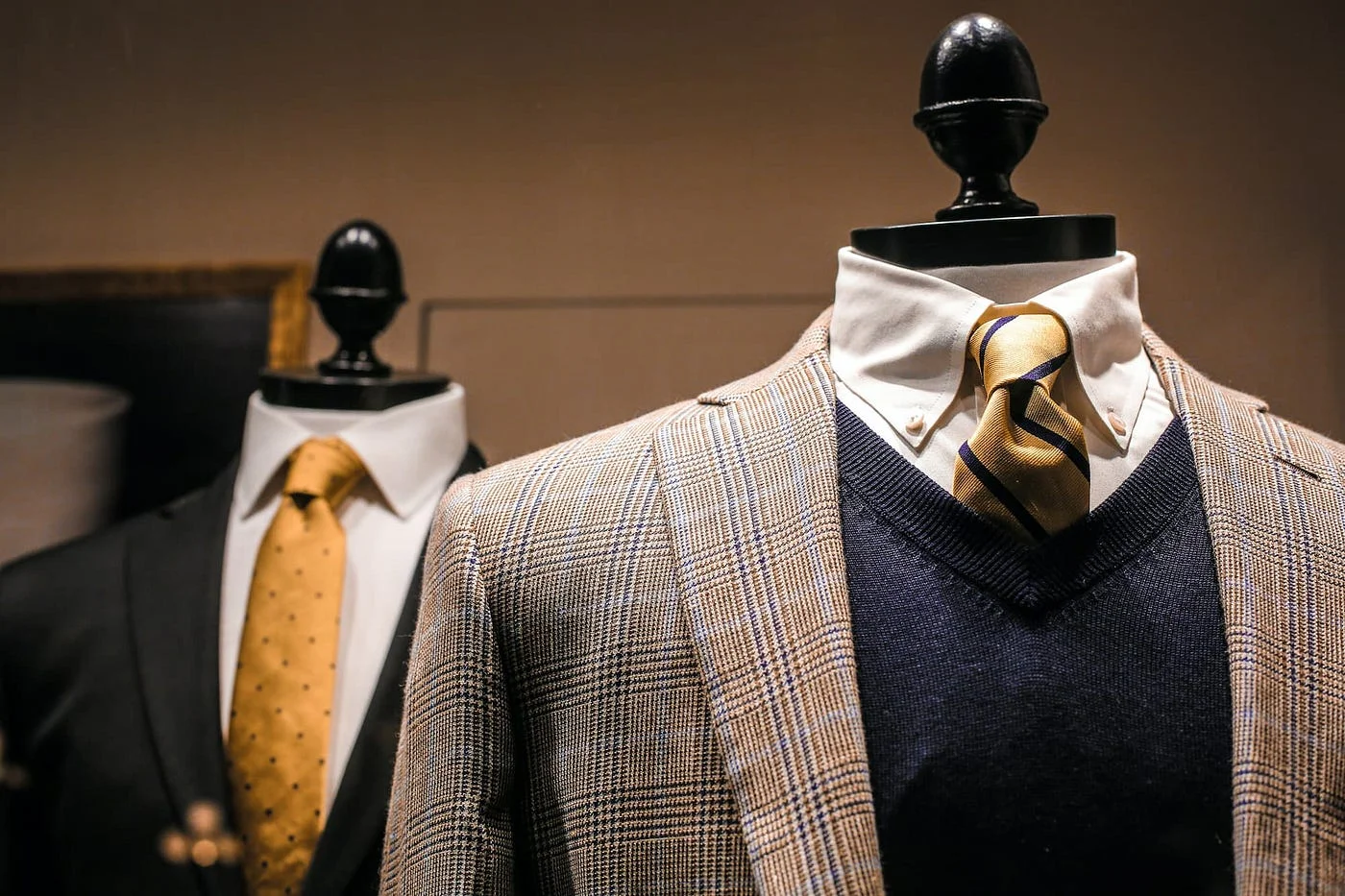
British, American and Italian tailoring traditions are useful references for discussing a suit’s silhouette, but they are not rigid formulas. Shoulder expression, jacket length, waist suppression, lapel proportion, venting and cloth can be adjusted to the wearer, occasion and climate. A consultation should use these traditions as a vocabulary for choices rather than as fixed national labels.
The British Cut
Traditional British tailoring is often associated with a structured shoulder, defined chest, shaped waist and a jacket of balanced length. Double vents are common, although vent and button choices vary by maker and specification. The resulting direction can suit business and formal wardrobes when the client prefers a clear, architectural silhouette.
Cloth weight should be chosen for actual use. Dense flannel or tweed may suit cooler conditions, while lighter wool and breathable weaves can interpret a structured British influence more appropriately for Bangkok. The fabric collection should be assessed by weight, weave, drape and availability rather than country-style label alone.
The American Cut
The traditional American sack-suit influence is associated with a more natural shoulder, a straighter body line and less pronounced waist suppression. Single-breasted two- or three-button examples and a centre vent are historically familiar, but contemporary interpretations can vary.
This comparatively relaxed direction can provide ease through the chest and waist. Cloth and construction still need to be selected for the client’s environment, intended formality and desired drape; no one fibre or configuration defines every American-influenced suit.
The Italian Cut
Italian tailoring encompasses several regional traditions, but the term is often used for a lighter, cleaner silhouette with a softer shoulder, shaped waist and expressive proportions. Jacket length, lapel placement and suppression should be balanced to the wearer rather than copied as a fixed slim-fit formula.
Lightweight wool, wool-linen blends, linen and other breathable cloths may support this direction where available. Fibre, origin and handwork should be described from the actual cloth label and chosen construction, not assumed from the word “Italian.”
Class Bespoke can discuss elements from these tailoring traditions as part of an individual bespoke tailoring specification. The final decision should account for posture, proportion, Bangkok’s climate, garment use and personal preference. Clients can compare current options through the Suits service and visit the verified Class Bespoke showrooms in Thonglor or Sukhumvit.