Nov 23, 2023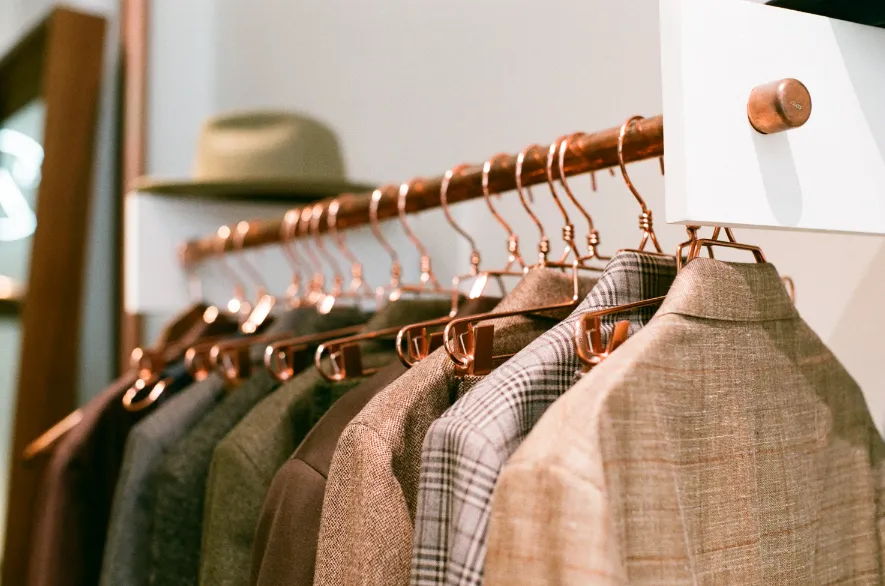
What are Bespoke suits?
Bespoke suits are custom-made garments developed around an individual client’s measurements, posture, preferences and intended use. The term describes a consultative tailoring process in which cloth, construction, proportions and design details are selected for the wearer rather than chosen from a finished ready-to-wear garment.
Key characteristics of bespoke suits
Individual Measurements and Assessment
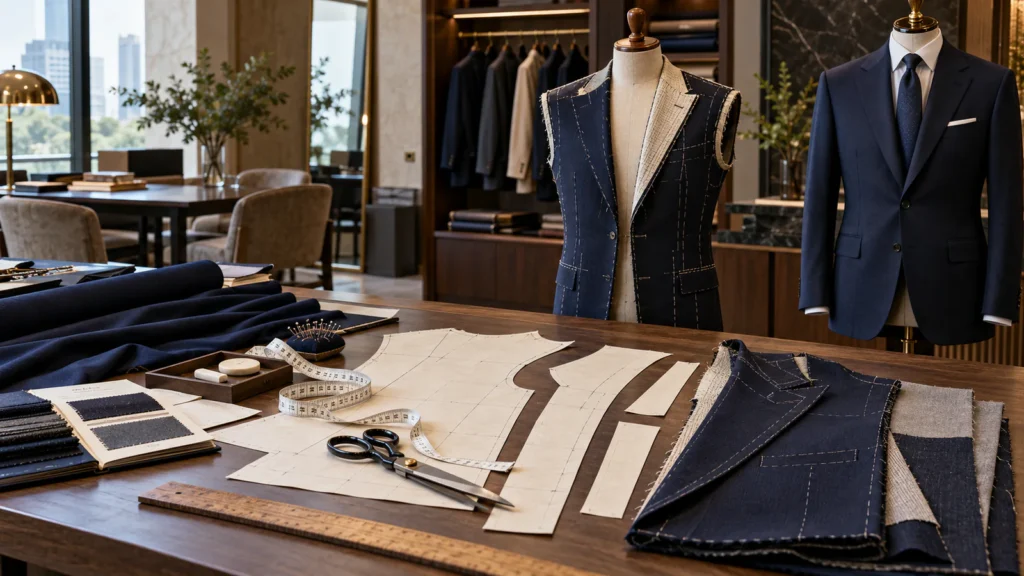
A bespoke tailoring service begins with individual measurements and an assessment of posture, balance and proportion. These observations inform the garment’s pattern and provide the starting point for subsequent fittings and adjustments.
Individual Style and Preferences
Clients can discuss cloth, colour, lapel shape, pocket style, button configuration, lining and other design details with the tailor. The available choices allow the garment to be planned for the client’s taste, occasion, working environment and wardrobe.
Fittings and Adjustments
The bespoke process uses fittings to assess balance, proportion and comfort as the garment develops. The number and sequence of fittings depend on the garment, construction, whether the client is new or returning, the adjustments required and the available schedule. A toile or baste fitting may be used where appropriate, but it is not universal.
Cloth Selection
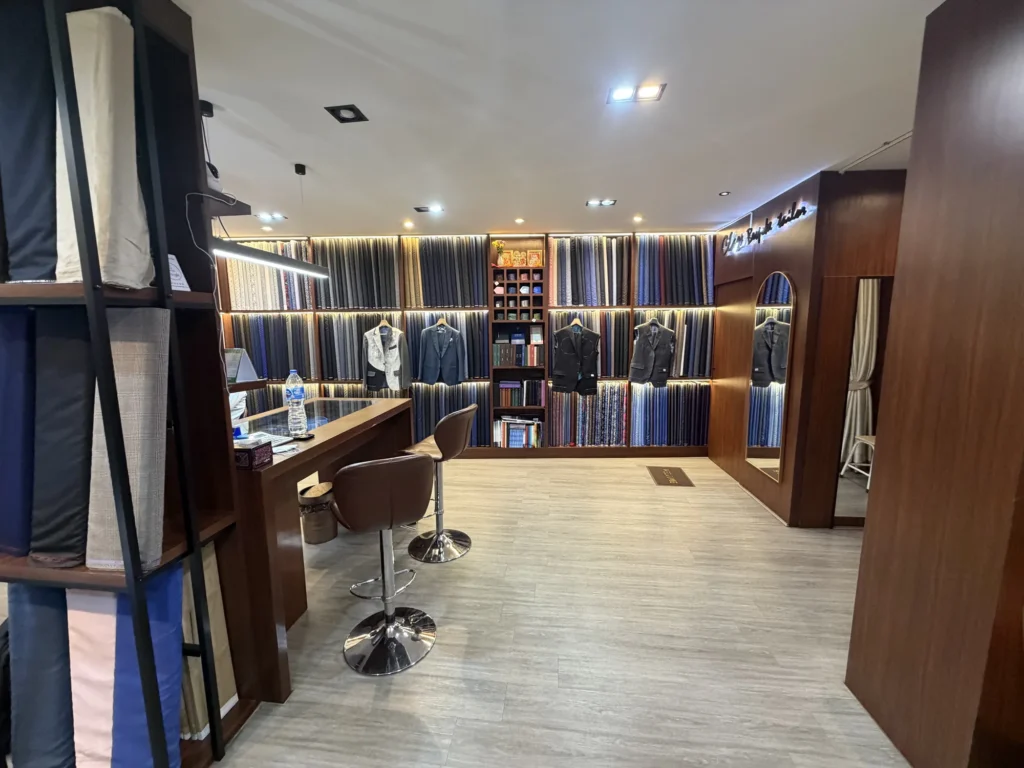
Bespoke tailoring offers a broad choice of cloths in different fibres, weights, weaves, colours and finishes. The appropriate selection depends on climate, drape, durability, comfort, occasion and budget rather than on a single universal definition of quality.
Construction and Craftsmanship
Construction can vary by garment and specification. Jacket options may include fused/basic, half-canvas and full-canvas construction, with handwork used selectively where appropriate. These choices affect structure, drape, production time and price; they should not be assumed to be identical across every bespoke order or starting-price tier.
Skilled cutting, fitting, sewing, finishing and pressing help translate the chosen specification into a coherent garment. The aim is a considered result that can be assessed and refined through the fitting process, not an absolute promise of perfection.
Compared with ready-to-wear, bespoke tailoring provides more control over measurements, proportions, cloth, construction and design. It also requires more consultation and production time. Clients comparing the options can review the current Class Bespoke suits service and discuss the most suitable specification for their schedule, intended use and budget.